Article
Nordic and Baltic culture experts strengthen resilience and contingency plans
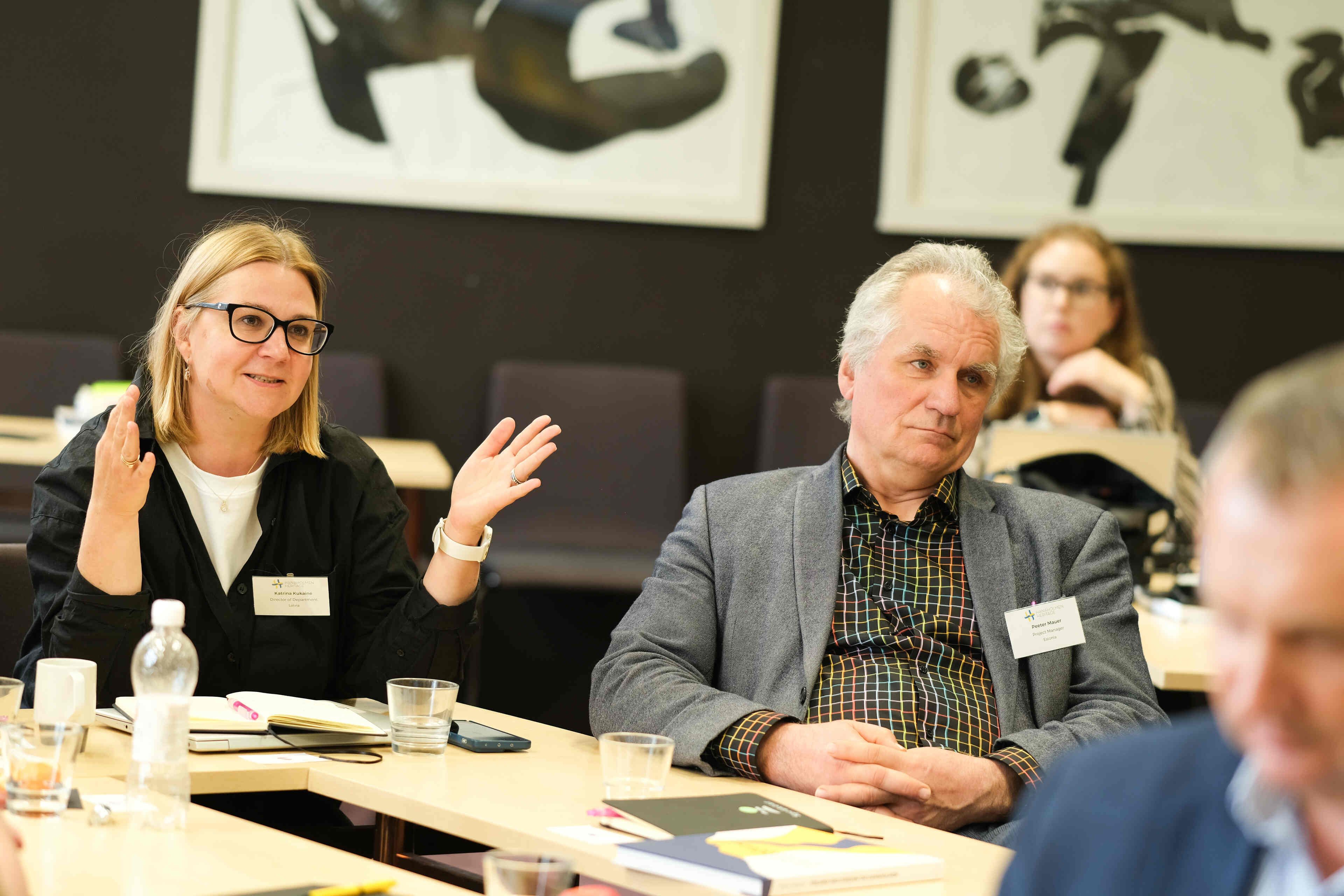
The cultural preparedness training programme at Hanaholmen resulted in important steps being taken to prepare cultural heritage institutions for natural and man-made threats.
The Nordic and Baltic states are strengthening their cooperation in matters of defence, including cultural heritage preparedness. As part of this cooperation, the Hanaholmen Heritage Training Programme took place in May 2026. It invited professionals from the culture sector to exchange best practices, begin concrete collaborations, and write and implement plans of action.
“An important realisation for me has been the significance of professional solidarity,” says Yuliia Lytvynets, director general of the National Art Museum of Ukraine. “In wartime, no institution can face these challenges in isolation. The exchange of experience, support from partners, professional networks, and rapid communication have become essential to the survival of cultural institutions.”
The Hanaholmen Heritage Training Programme included participants from every Nordic and Baltic country and autonomous area, except Greenland, who was unable to attend. After several online meetings, the twenty experts gathered at Hanaholmen in Espoo, Finland. The three-day programme covered the military, climate-related and hybrid threats to cultural heritage.
Different strengths shared
“We have different kinds of threats we must prepare for,” explains Inga Zakšauskiené, chief archivist of Lithuania. “Iceland may need to worry about volcanoes, for example, while other countries need to plan for drone attacks. Hybrid warfare, misinformation and influence operations are happening to all of us, even the Faeroe Islands.”
The different countries and institutions have different strengths, which were shared with the other participants.
“The Nordics are quite well advanced in planning for climate threats, for example, while the Baltic states have good preparations for military conflicts,” Zakšauskiené continues. “We help each other with practical matters, from discussing future bilateral agreements on the protection and temporary relocation of cultural heritage in times of crisis to planning the logistics of emergency evacuation and material extraction. We aren’t only talking about cultural heritage preparedness; we are taking concrete steps to strengthen our collective readiness.”
Examples of threats and solutions dissected
During the training sessions, the cultural experts studied recent examples of threats against culture in Cambodia, Mali, Palestine, Syria and Ukraine, as well as older examples from Finland during the Winter War. This helped participants not only with practical knowledge, but also a new understanding of how aggressors act.
“I have many practical ideas from the training session to implement, but I also went home with a different mindset,” says Merete Lange, director of finance and operations for the National Museum of Denmark. “We have prepared for many different scenarios at the museum, but the examples we examined of aggression towards cultural sites changed how I thought about preparedness.”
Digitalisation was one tool which the participants praised for its versatility. Digitalising can include creating 3D images of sites, making digital copies of rare books or putting photos of paintings online. Digitalisation is useful for inventories and providing back-up copies, but it is also a great method of dissemination.
“Digitalisation makes cultural heritage available to more people, which is an important task of ours,” Lange says. “Democracies openly discuss our histories, yet we are the targets of misinformation and hybrid attacks. You could think of cultural institutions as a firewall. As museums, archives and libraries we are an authorised, trusted voice. We can enhance the resilience of society by improving accessibility via digitalisation, inviting people to know more about their cultural history.”
New networks of trust created
The understanding of the value of cultural heritage is important for the public, but also for professionals such as first responders. An example given was a church fire in Åland, where the firemen decided to save what they thought was the most important item – the stereo – and left irreplaceable art to the flames.
“One positive outcome of this training programme are these networks of trust we have created,” points out Katrīna Kukaine, director of development department at the National Library of Latvia. “We can easily and quickly reach each other at different levels, for instance with legal questions or help with evacuations and establishing safe havens. My hope is that we continue to deepen our knowledge with other sectors in civil protection and defence.”
About Hanaholmen Heritage
In May 2024, the Ministers for Culture in the Nordic and Baltic states issued a declaration, stressing the need for intensified contingency planning to secure and protect cultural heritage and maintain cultural activities in the event of crisis. As part of this process, the Hanaholmen Heritage Training Programme and Conference brought together experts to exchange knowledge and experiences to strengthen the Nordic and Baltic preparedness of the cultural sector. Learn more here.
You can see some of the participants discuss the Hanaholmen Heritage Training Programme here.
Text: David J. Cord